Understanding Food Labels: A Parent’s Complete Guide to Making Smarter Choices
- Dean Rusk Delicana
- May 19
- 8 min read


Walking through a grocery store can feel overwhelming for parents. Bright packaging, bold health claims, cartoon mascots, and long ingredient lists compete for attention. One cereal says “whole grain,” another says “natural,” and a snack bar claims to be “low fat” — but what do these labels actually mean?
Understanding food labels is one of the most important skills parents can develop. Food labels help families compare products, avoid allergens, manage sugar and sodium intake, and make informed choices about nutrition. Recent developments from the U.S. Food and Drug Administration (FDA) are also pushing for clearer front-of-package nutrition labels to help consumers make healthier decisions faster.
This guide explains the most common food labels on packaged foods and what parents should know before adding items to the cart.
Why Food Labels Matter
Food labels serve several important purposes:
Help families compare nutritional value
Warn consumers about allergens
Provide ingredient transparency
Prevent misleading health claims
Support healthier eating habits
Assist parents managing medical conditions like diabetes or food allergies
For parents, labels are especially important because children are more vulnerable to excessive sugar, sodium, additives, and allergens.
1. Nutrition Facts Label
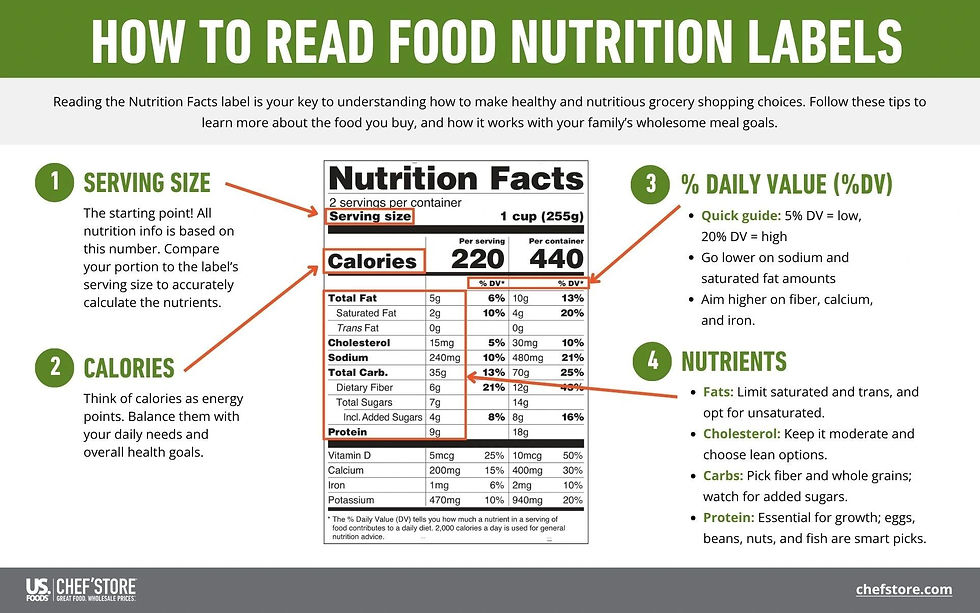
The Nutrition Facts label is the black-and-white box usually found on the back or side of packaged foods.
It provides detailed information about:
Serving size
Calories
Total fat
Saturated fat
Trans fat
Cholesterol
Sodium
Carbohydrates
Fiber
Sugars
Added sugars
Protein
Vitamins and minerals
What Parents Should Watch Closely
Serving Size
Many products contain multiple servings in one package. A bag of chips may look like one snack but actually contain 2–3 servings.
Added Sugars
Added sugars are sugars introduced during processing, unlike naturally occurring sugars found in fruit or milk.
High added sugar intake in children is linked to:
Obesity
Tooth decay
Increased diabetes risk
Poor dietary habits
Sodium
Excess sodium contributes to high blood pressure later in life. Many processed foods marketed to children contain surprisingly high sodium levels.
Fiber
Higher- fiber foods support digestion and help children feel fuller longer.
2. Ingredient List
The ingredient list shows everything used to make the product.
Ingredients are listed by weight, from highest to lowest.
Important Parent Tips
The first three ingredients matter most because they make up the majority of the product.
Long ingredient lists are not always unhealthy, but highly processed foods often contain many additives and preservatives.
Watch for multiple names for sugar.
Common Sugar Names
Corn syrup
High fructose corn syrup
Cane sugar
Dextrose
Maltose
Rice syrup
Honey
Agave nectar
If several forms of sugar appear throughout the list, the product may contain more sugar than parents realize.
3. Allergen Labels

Food allergies affect millions of children worldwide, making allergen labeling critical for families.
In the United States, major allergens must be clearly identified. These include:
Milk
Eggs
Fish
Crustacean shellfish
Tree nuts
Peanuts
Wheat
Soy
Sesame
The FDA updated allergen labeling guidance in 2025 to improve clarity and consumer safety.
“Contains” Statement
This is usually placed below the ingredient list.
Example:
Contains: Milk, Wheat, Soy
“May Contain” Warnings
These are precautionary warnings such as:
May contain peanuts
Processed in a facility with tree nuts
These warnings are voluntary in many countries, which can create confusion for parents managing severe allergies.
Be Careful with “Natural Flavors”
Some allergens may appear within “natural flavors,” making it important to read labels carefully and monitor reformulations.
4. Organic Labels
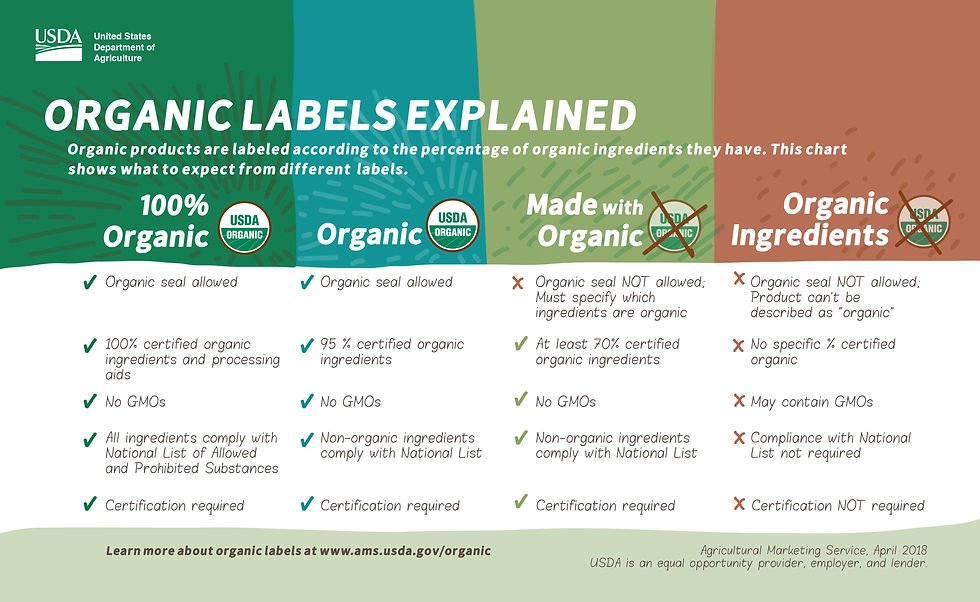
Organic foods are produced according to agricultural standards that limit synthetic pesticides, fertilizers, and genetically modified organisms (GMOs).
Common Organic Terms
100% Organic
All ingredients are organic.
Organic
At least 95% of ingredients are organic.
Made with Organic Ingredients
Contains at least 70% organic ingredients.
Important Note for Parents
Organic does not automatically mean:
Low sugar
Low calorie
More nutritious
Organic cookies are still cookies.
5. “Natural” Labels
The word “natural” can be misleading.
In many countries, including the United States, “natural” does not have a strict universal definition for all food products.
A product labeled “natural” may still contain:
Added sugar
Highly processed ingredients
Sodium
Artificial processing methods
Parents should not rely solely on this term when evaluating food quality.
6. Non-GMO Labels
Non-GMO labels indicate that ingredients were not genetically modified or engineered.
These labels are common on:
Cereals
Snack foods
Plant-based products
Some parents prefer non-GMO foods due to environmental or personal concerns, though major health organizations generally consider approved GMO foods safe.
7. Gluten-Free Labels

“Gluten-free” products are designed for people with:
Celiac disease
Gluten intolerance
Wheat sensitivity
These foods must meet strict gluten limits in many countries.
Parents should remember:
Gluten-free does not mean healthier
Some gluten-free products are highly processed
Gluten-free snacks may still contain excess sugar or fat
Recent public discussions continue around improving gluten labeling and cross-contact transparency.
8. Low-Fat, Fat-Free, and Reduced-Fat Labels
These labels sound healthy, but context matters.
Fat-Free
Contains less than 0.5 grams of fat per serving.
Low-Fat
Contains 3 grams of fat or less per serving.
Reduced-Fat
Contains at least 25% less fat than the regular version.
Parent Warning
Some low-fat products compensate with:
More sugar
More sodium
Artificial additives
Always compare the Nutrition Facts panel.
9. Low-Sodium and Sodium-Free Labels
Sodium-Free
Less than 5 mg sodium per serving.
Low Sodium
140 mg sodium or less per serving.
Why It Matters
Many children consume too much sodium through:
Instant noodles
Processed meats
Frozen meals
Chips and snacks
High sodium intake in childhood can shape lifelong taste preferences.
10. High Protein Labels
Protein labels are everywhere today — from cereals to ice cream.
While protein is important for growth and development, many products marketed as “high protein” also contain:
Excess sugar
Artificial sweeteners
Highly processed ingredients
Most children eating balanced diets already receive enough protein.
11. Plant-Based Labels

Plant-based labels indicate foods made primarily from plants rather than animal products.
Examples include:
Soy milk
Oat milk
Plant-based meat alternatives
The FDA has recently discussed clearer labeling guidance for plant-based alternatives to improve consumer understanding.
Parent Considerations
Check for:
Added sugars
Protein levels
Calcium fortification
Vitamin B12 content
Not all plant-based products are nutritionally equal.
12. Front-of-Package Labels
A major recent development in food labeling is the FDA’s proposed “Nutrition Info Box” for the front of packages.
These simplified labels would quickly show whether foods contain:
High sodium
High added sugar
High saturated fat
The goal is to help busy shoppers make faster and healthier decisions.
Countries around the world already use front-of-package warning systems with positive results in consumer awareness.
13. Expiration Dates and “Best By” Labels
Parents often misunderstand food date labels.
Best By
Indicates peak quality, not safety.
Use By
Recommended last date for best quality.
Sell By
Used mainly for store inventory management.
Many foods remain safe after “best by” dates if stored properly.
14. Marketing Claims Parents Should Question
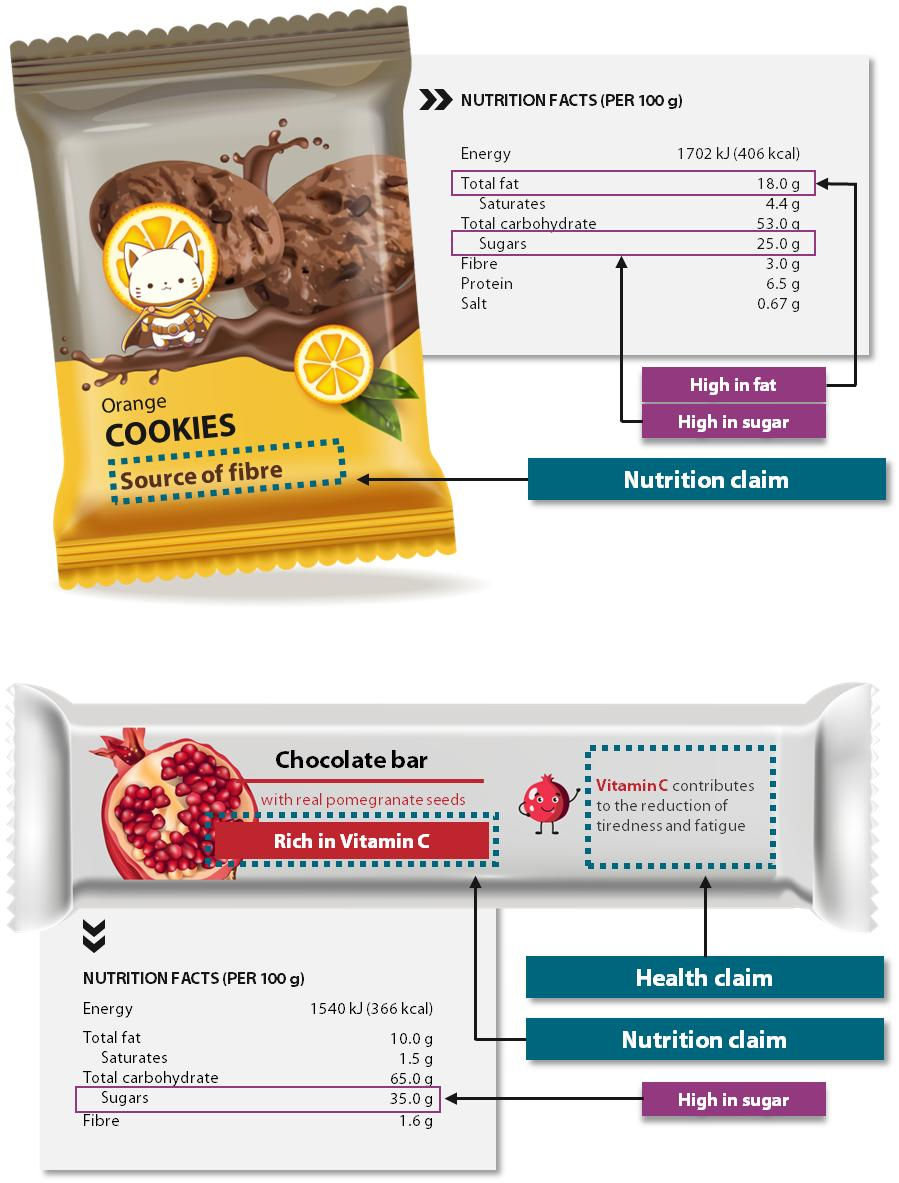
Food packaging often uses emotional or health-focused marketing claims that may not tell the whole story.
Common Examples
“Made with real fruit”
“Whole grain”
“Immune boosting”
“No artificial colors”
“Lightly sweetened”
“Multigrain”
These claims can distract from high sugar or sodium content.
Parents should always verify claims using the Nutrition Facts panel and ingredient list.
Smart Label Reading Tips for Parents
Compare Similar Products
Check two brands side-by-side.
Ignore the Front First
Start with the back label before reading marketing claims.
Look for Short Ingredient Lists
Especially for snacks and packaged foods.
Prioritize Fiber and Protein
These nutrients help keep children fuller longer.
Watch Added Sugars
Especially in:
Yogurts
Cereals
Juice drinks
Granola bars
Teach Children Label Literacy
Older children can learn how to compare products and understand ingredients.
Final Thoughts
Food labels are not perfect, but they are powerful tools for families. The more parents understand labels, the easier it becomes to:
Reduce hidden sugars
Avoid allergens
Compare products confidently
Build healthier habits for children
As food labeling regulations continue evolving, especially with new front-of-package proposals and allergen guidance, consumers are gaining better tools to make informed choices.
Healthy eating does not require perfection. It starts with awareness, consistency, and learning how to see beyond the marketing on the front of the box.
Want to Waste Less Food and Save More Money?

If understanding food labels feels overwhelming, you’re not alone. Many families struggle with confusing expiration dates, spoiled produce, and wasted groceries every week.
That’s why KeepFresh: The Parent’s Complete Storage Guide was created — a practical, beautifully designed guide that helps parents confidently store food the right way, understand freshness labels, and reduce unnecessary food waste at home.
Inside this easy-to-follow digital guide, you’ll learn:
How to properly store fruits and vegetables
Which foods belong in the fridge, freezer, or pantry
The real meaning of expiration and “best by” labels
Simple ways to keep produce fresher longer
Smart habits that reduce food waste and save money
Perfect for busy parents, meal planners, and health-conscious families, KeepFresh turns confusing food storage advice into clear, visual guidance you can use every day.
Whether you want to make groceries last longer, teach children smarter kitchen habits, or create a more sustainable home, this guide is a practical tool for healthier and more mindful living.
Explore the guide here: Why Does Food Keep Going Bad? — KeepFresh: The Parent's Complete Guide to Storing Produce, Reading Expiry Labels, and Wasting Nothing - Payhip
Related Articles:
References
The following publications, regulatory agencies, research organizations, and educational resources were consulted in the development of this article on food labeling, nutrition awareness, allergen safety, and sustainable food choices.
U.S. Food and Drug Administration (FDA). Food Allergen Labeling Guidance for Industry.
U.S. Food and Drug Administration (FDA). Proposed Rule on Front-of-Package Nutrition Labeling.
Reuters. FDA Proposes Nutrition Labels on Front of Packaged Foods (2025).
NPR / Oregon Public Broadcasting. FDA Calls for At-a-Glance Nutrition Labels on Food Packaging.
Food Allergy Research & Education (FARE). FDA Allergen Labeling Updates.
Covington & Burling LLP. FDA Finalizes Guidance Documents Related to Food Allergens.
CNBC. FDA Proposal for Front Nutrition Labels on Packaged Foods.
DLA Piper. FDA Issues Proposed Rule on Front-of-Package Nutrition Labeling.
Le Monde. Analysis of Front-of-Pack Nutrition Labeling Proposals.
United States Environmental Protection Agency (EPA). Reducing Wasted Food at Home.
Rainforest Alliance. Certification and Sustainability Standards.
Marine Stewardship Council (MSC). Sustainable Seafood Certification and Labels.
United States Department of Agriculture (USDA). Organic Labeling Standards.
United Nations Environment Programme (UNEP). Food Waste Index Report 2024.
Additional consumer perspectives and real-world discussions on allergen labeling, gluten-free labeling, and food packaging transparency were drawn from public educational forums and community discussions to provide context.


Comments