Smart Grids Explained: What They Are, How They Work, and Why They Matter
- Dean Rusk Delicana
- Apr 19
- 3 min read

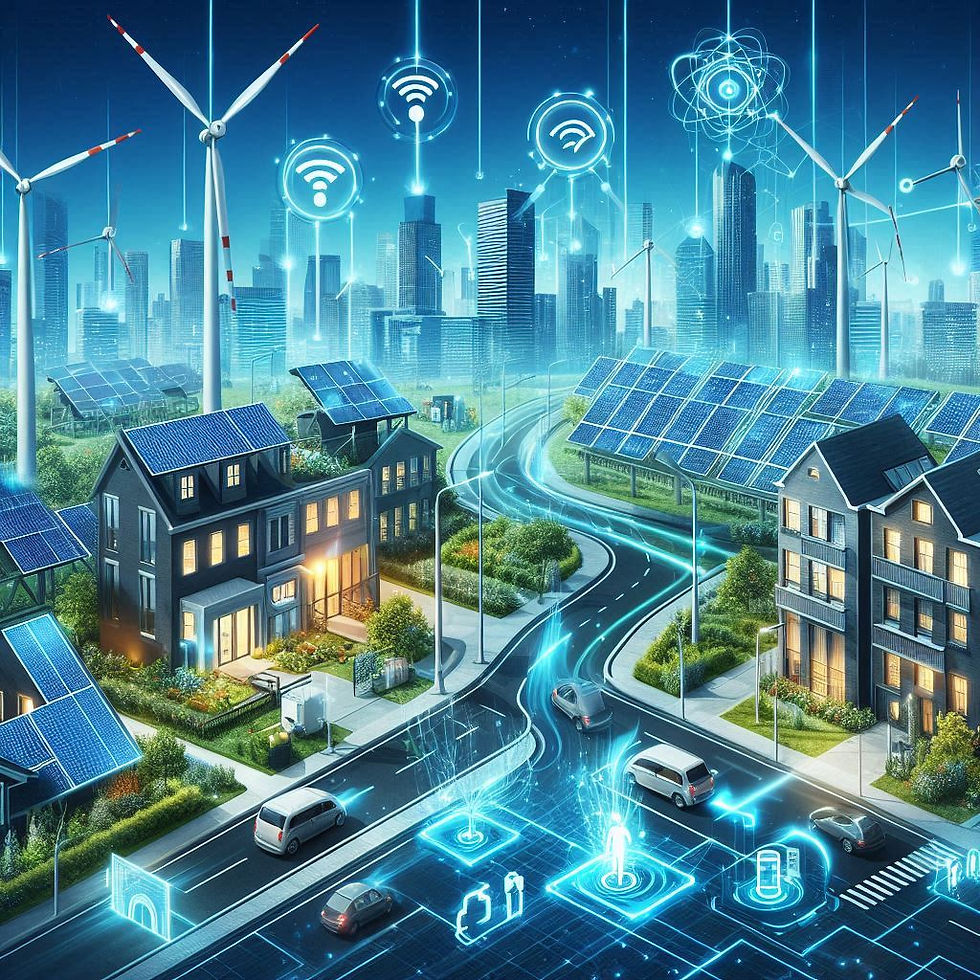
Electricity powers everything — from our homes and schools to businesses and entire cities. But the traditional power grid we rely on today is outdated, inefficient, and struggling to meet modern energy demands.
So how do we fix it?
The answer lies in smart grids — a powerful innovation that is transforming the way electricity is delivered and used around the world.
In this guide, you’ll learn what smart grids are, how they work, their benefits, and why they are essential for the future of energy.
What Is a Smart Grid? (Quick Answer)
A smart grid is a modern electricity system that uses digital technology, sensors, and real-time data to improve how electricity is generated, distributed, and consumed.
Unlike traditional grids, a smart grid allows two-way communication between energy providers and consumers. This means electricity systems can respond instantly to changes, reduce waste, and improve efficiency.
How Does a Smart Grid Work?
A smart grid combines traditional power infrastructure with advanced digital technology to create a more intelligent system.
Here’s how it works:
Smart meters track electricity usage in real time
Sensors detect issues across the grid instantly
Communication networks send data between users and providers
Automation systems respond to outages and demand changes
These components work together to create a system that can monitor, analyze, and adjust electricity flow automatically.
In some cases, smart grids can even self-heal by rerouting power during outages, reducing downtime and improving reliability.
Smart Grid vs Traditional Grid
Feature | Traditional Grid | Smart Grid |
Communication | One-way | Two-way |
Monitoring | Limited | Real-time |
Efficiency | Lower | Higher |
Outage Response | Manual | Automated |
Renewable Energy Integration | Difficult | Seamless |
Benefits of Smart Grid Technology
1. Improved Energy Efficiency
Smart grids reduce energy waste by optimizing how electricity is distributed and used. This leads to lower energy losses and better overall performance.
2. More Reliable Power Supply
With real-time monitoring and automation, smart grids can detect and fix problems faster, helping prevent blackouts.
3. Easier Integration of Renewable Energy
Smart grids make it easier to connect solar panels, wind farms, and other renewable energy sources to the system.
4. Lower Electricity Costs
Consumers can monitor their energy usage and adjust habits to save money, especially during peak hours.
5. Environmental Benefits
By reducing waste and supporting clean energy, smart grids help lower carbon emissions and fight climate change.
Why Smart Grids Are Important Today
The world’s energy needs are rapidly changing.
More people are using electricity than ever before
Electric vehicles are becoming more common
Renewable energy is expanding quickly
Traditional grids were not designed for these changes.
Smart grids solve this problem by creating a system that is flexible, efficient, and ready for the future of energy.
Real-World Examples of Smart Grids
Smart grid technology is already being used in many ways:
Smart homes that automatically adjust electricity usage
Electric vehicle charging systems connected to the grid
Microgrids that can operate independently during outages
Renewable energy systems integrated into national grids
These applications show how smart grids are already improving everyday life.
Challenges of Smart Grid Implementation
While smart grids offer many benefits, there are still challenges to overcome:
High initial costs for infrastructure upgrades
Cybersecurity risks due to digital systems
Complex integration with existing power networks
Despite these challenges, governments and companies continue to invest in smart grid development.
The Future of Smart Grids
Smart grids are expected to become even more advanced in the coming years.
Future developments may include:
Artificial intelligence (AI) to predict energy demand
Machine learning for smarter energy distribution
Advanced battery storage systems
Greater use of renewable energy sources
These innovations will help create a cleaner, smarter, and more reliable energy system worldwide.
Conclusion
Smart grids are changing the way we produce, deliver, and use electricity.
By combining digital technology with traditional power systems, they create a more efficient, reliable, and sustainable energy network.
As the demand for energy continues to grow, smart grids will play a key role in building a future powered by clean, intelligent, and resilient electricity systems.
Frequently Asked Questions (FAQ)
What is a smart grid in simple terms?
A smart grid is an upgraded electricity system that uses digital technology to manage power more efficiently and reliably.
Why are smart grids important?
They improve energy efficiency, reduce outages, and support renewable energy sources.
Do smart grids save money?
Yes. They help consumers monitor and reduce energy use, which can lower electricity bills.
Are smart grids environmentally friendly?
Yes. Smart grids reduce energy waste and make it easier to use clean energy sources like solar and wind.



Comments