Top Green Technologies Transforming Our Future Today
- Dean Rusk Delicana
- Mar 19
- 4 min read

The world is at a pivotal moment in its history. Climate change, resource depletion, and environmental degradation are pressing challenges that demand immediate attention. Fortunately, innovative green technologies are emerging to address these issues, offering sustainable solutions that can transform our future. In this blog post, we will explore some of the most impactful green technologies that are shaping our world today.
Renewable Energy Sources
Solar Power
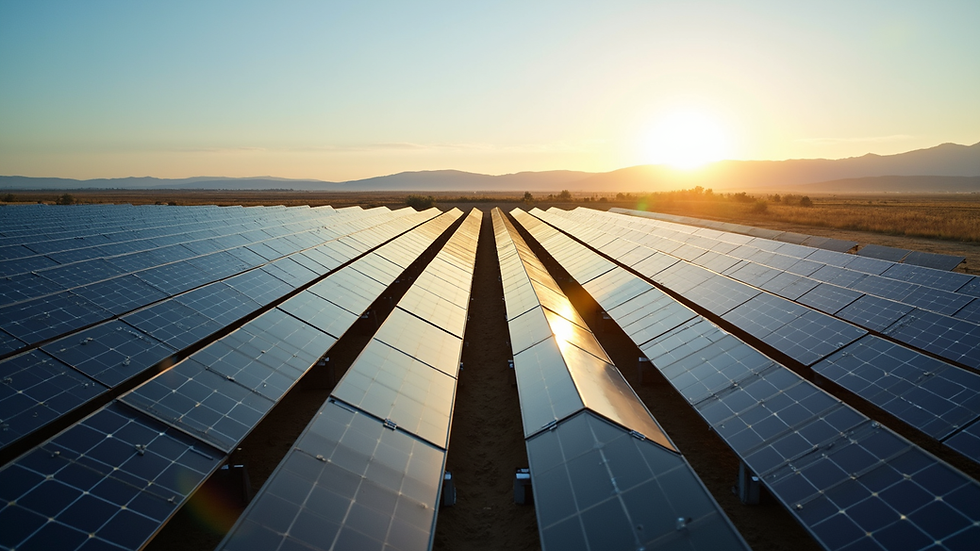
Solar energy is one of the most promising renewable energy sources available today. With advancements in photovoltaic technology, solar panels have become more efficient and affordable. Homeowners and businesses alike are investing in solar installations to reduce their carbon footprint and lower energy costs.
For example, the Solar Energy Industries Association reported that the U.S. solar market grew by 43% in 2020 alone, demonstrating a significant shift towards renewable energy. Solar power not only reduces reliance on fossil fuels but also creates jobs in manufacturing, installation, and maintenance.
Wind Energy
Wind energy is another key player in the renewable energy sector. Wind turbines convert kinetic energy from the wind into electricity, providing a clean and sustainable power source. Countries like Denmark and Germany have made substantial investments in wind farms, leading to a significant increase in their renewable energy capacity.
According to the Global Wind Energy Council, the global wind power capacity reached 743 GW in 2020, enough to power millions of homes. Wind energy is not only environmentally friendly but also economically viable, with the cost of wind energy decreasing by 70% over the past decade.
Energy Storage Solutions
Battery Technology
As renewable energy sources like solar and wind become more prevalent, the need for effective energy storage solutions grows. Advanced battery technologies, such as lithium-ion batteries, are crucial for storing excess energy generated during peak production times.
These batteries allow for energy to be stored and used when demand is high, ensuring a consistent power supply. Companies like Tesla are leading the charge in battery innovation, developing products like the Powerwall, which enables homeowners to store solar energy for later use.
Grid-Scale Storage
In addition to residential battery solutions, grid-scale energy storage systems are being developed to support entire communities. These large-scale batteries can store energy from various sources, helping to stabilize the grid and reduce reliance on fossil fuels.
For instance, the Hornsdale Power Reserve in Australia is one of the largest lithium-ion battery installations in the world, providing backup power and grid stability while integrating renewable energy sources.
Sustainable Transportation
Electric Vehicles (EVs)
The transportation sector is a significant contributor to greenhouse gas emissions. Electric vehicles (EVs) are emerging as a sustainable alternative to traditional gasoline-powered cars. With advancements in battery technology, EVs are becoming more efficient, affordable, and accessible to consumers.
Major automakers like Tesla, Nissan, and Ford are investing heavily in EV technology, with many planning to transition their entire fleets to electric by the end of the decade. According to the International Energy Agency, the number of electric cars on the road surpassed 10 million in 2020, a clear indication of the growing demand for sustainable transportation.
Public Transportation Innovations
In addition to personal vehicles, public transportation systems are also evolving to become more sustainable. Electric buses, trams, and trains are being introduced in cities worldwide, reducing emissions and improving air quality.
For example, Los Angeles has committed to transitioning its entire bus fleet to electric by 2030, a move that will significantly reduce greenhouse gas emissions and improve public health.
Sustainable Agriculture
Vertical Farming
As the global population continues to grow, the demand for food is increasing. Traditional farming methods often lead to deforestation, soil degradation, and excessive water use. Vertical farming is an innovative solution that allows for food production in urban areas, using significantly less land and water.
Vertical farms utilize hydroponics and aeroponics to grow crops in stacked layers, often in controlled environments. This method not only conserves resources but also reduces transportation emissions by bringing food production closer to consumers. Companies like AeroFarms are leading the way in vertical farming, producing fresh greens in urban centers.
Precision Agriculture
Precision agriculture leverages technology to optimize farming practices, reducing waste and increasing efficiency. By using sensors, drones, and data analytics, farmers can monitor crop health, soil conditions, and weather patterns in real-time.
This data-driven approach allows for targeted interventions, such as precise irrigation and fertilization, minimizing environmental impact. According to a study by the Food and Agriculture Organization, precision agriculture can increase crop yields by up to 30% while reducing water usage by 20%.
Water Conservation Technologies
Desalination
With freshwater resources becoming increasingly scarce, desalination technologies are gaining traction. Desalination involves removing salt and impurities from seawater to produce potable water.
Countries like Israel and Saudi Arabia have invested heavily in desalination plants, providing a reliable water source for their populations. While desalination is energy-intensive, advancements in renewable energy integration are making it more sustainable.
Water Recycling
Water recycling technologies are also playing a crucial role in water conservation. By treating and reusing wastewater, communities can significantly reduce their reliance on freshwater sources.
For instance, the city of San Diego has implemented a water recycling program that treats wastewater for non-potable uses, such as irrigation and industrial processes. This initiative not only conserves water but also reduces the strain on local water supplies.
Conclusion
The future of our planet depends on the adoption of green technologies that promote sustainability and environmental stewardship. From renewable energy sources to innovative agricultural practices, these technologies are transforming the way we live and interact with our environment.
As individuals and communities, we can support these advancements by advocating for sustainable practices, investing in green technologies, and making conscious choices in our daily lives. The transition to a greener future is not only possible but essential for the health of our planet and future generations.
By embracing these changes, we can create a more sustainable world for ourselves and the generations to come.

Comments