Crude Oil in 2026: Global Supply, War Impacts, and Why Renewable Energy Is the Future
- Dean Rusk Delicana
- Mar 31
- 3 min read


Introduction
Crude oil remains the backbone of the global economy, powering transportation, industries, and daily life. However, in 2026, the world is facing a volatile oil landscape shaped by geopolitical conflicts, supply disruptions, and growing demand. Reports from organizations like the International Energy Agency and Organization of the Petroleum Exporting Countries highlight a critical turning point: the need to rethink our dependence on oil.
A. Present Consumption of Oil
Global oil consumption continues to rise despite the push for cleaner energy. According to the International Energy Agency, demand has reached near-record levels, driven by:
Rapid industrialization in developing economies
Increased transportation needs
Population growth and urbanization
Asia, particularly China and India, accounts for a significant share of this growth. Oil remains indispensable in sectors like aviation, shipping, and petrochemicals, making short-term reductions in demand difficult.
B. Present Supply of Oil Worldwide
Global oil supply is primarily dominated by major producers such as:
The United States
Saudi Arabia
Russia
The Organization of the Petroleum Exporting Countries continues to influence production levels through coordinated output decisions. Meanwhile, non-OPEC countries have increased production to balance markets.
However, supply remains fragile due to:
Limited spare production capacity
Aging oil fields
Infrastructure constraints
The U.S. Energy Information Administration notes that even minor disruptions can trigger significant price volatility.
C. Effect of Ongoing War on Oil Supply
Recent conflicts in the Middle East have created one of the most severe oil supply disruptions in history. Strategic routes such as the Strait of Hormuz—through which a large percentage of global oil flows—are under threat.
Key impacts include:
Sharp spikes in oil prices
Supply chain disruptions
Increased shipping and insurance costs
According to the International Monetary Fund, these conflicts are not only affecting energy markets but also global inflation and economic stability.
The crisis highlights a dangerous reality: global oil supply is highly vulnerable to geopolitical tensions.
D. Solutions to Avert Future Oil Crises
To prevent recurring oil crises, governments and industries must adopt a multi-pronged strategy:
1. Diversification of Energy Sources
Reducing reliance on oil by investing in alternative energy.
2. Strategic Oil Reserves
Countries should maintain reserves to cushion supply shocks.
3. Energy Efficiency
Improving fuel efficiency in transport and industry.
4. International Cooperation
Global coordination to stabilize supply and pricing.
These measures can reduce vulnerability but are not enough on their own.
E. Renewable Energy: Pros and Cons
Renewable energy is increasingly seen as a long-term solution.
Pros
Sustainable and environmentally friendly
Reduces greenhouse gas emissions
Decreases dependence on imported fuels
Creates new jobs and industries
Cons
High initial investment costs
Intermittency (solar and wind depend on weather)
Storage and grid challenges
Requires significant infrastructure changes
The United Nations emphasizes that despite challenges, renewable energy is essential for combating climate change and ensuring energy security.
F. Why Renewable Energy Is a Reasonable Alternative
Renewable energy offers a practical path forward because:
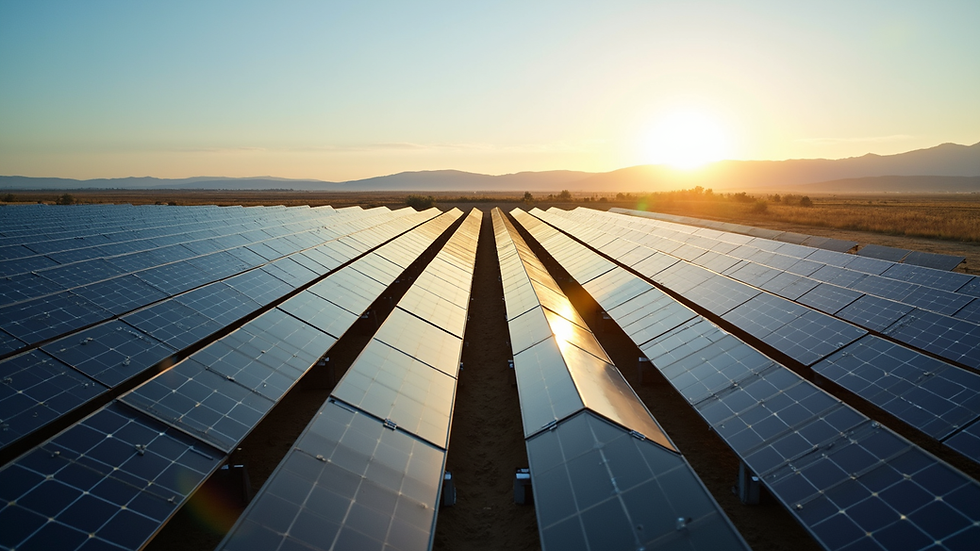
It is abundant and widely available
Costs are declining rapidly
Technology is continuously improving
It reduces exposure to geopolitical risks
Unlike oil, renewable resources such as sunlight and wind cannot be monopolized or disrupted by conflict.
G. Feasibility of Countries Using Renewable Energy
Transitioning to renewable energy is increasingly feasible for many countries due to:
Falling costs of solar panels and wind turbines
Government incentives and policy support
Advances in battery storage and smart grids
Even developing nations can leapfrog traditional energy systems by investing directly in renewables.
H. Example: A Country Leading in Renewable Energy
A standout example is Denmark, which has made remarkable progress in renewable energy adoption.
Over 50% of its electricity comes from wind power
Strong government policies support clean energy
Public and private sectors work collaboratively
Denmark demonstrates that a transition away from fossil fuels is not only possible but economically beneficial.
Conclusion: A Call to Action for Governments
The global crude oil crisis of 2026 is a wake-up call. Heavy reliance on oil exposes nations to economic instability, geopolitical risks, and environmental damage.
Governments must act decisively:
Invest in renewable energy infrastructure
Support innovation in clean technologies
Implement policies that reduce fossil fuel dependence
The future of energy must be secure, sustainable, and resilient. By embracing renewable energy today, countries can protect their economies, safeguard the environment, and ensure a stable future for generations to come.
Comments