Fashion Brands That Practice Mindful Consumption: What the Industry Can Teach Us
- Dean Rusk Delicana
- May 18
- 6 min read


The fashion industry is one of the world’s largest contributors to pollution, textile waste, water overuse, and carbon emissions. Fast fashion has encouraged consumers to buy more clothing at lower prices, often at the expense of workers, communities, and the environment. In response, a growing number of fashion brands are embracing mindful consumption — a movement that promotes buying less, choosing better-quality items, extending product life, and reducing waste.
Brands such as Patagonia, Eileen Fisher, Stella McCartney, tentree, and Pact have become leaders sustainably and ethically by rethinking how clothing is designed, produced, sold, and reused.
What Is Mindful Consumption in Fashion?
Mindful consumption in fashion means making intentional choices about clothing purchases. Instead of buying large amounts of trendy, disposable clothing, consumers focus on:
Quality over quantity
Ethical production
Sustainable materials
Long-lasting designs
Repair, reuse, and recycling
Reduced environmental impact
This philosophy aligns closely with the “slow fashion” movement, which encourages durability, timeless style, and responsible manufacturing.
Causes of Unsustainable Fashion Consumption
1. Fast Fashion Culture
Fast fashion brands release new collections rapidly and encourage impulse buying through low prices and constant trend cycles. Consumers are pressured to buy more clothing than they need.
Social media and influencer culture also intensify pressure to wear new outfits regularly.
2. Cheap Production Systems
Many fashion companies rely on low-cost manufacturing in countries with weak labor protections. This can lead to:
Poor working conditions
Low wages
Excessive waste
Environmental pollution
3. Overproduction
The fashion industry produces billions of garments annually, many of which remain unsold and eventually become landfill waste.
According to recent sustainability discussions, circular fashion systems remain difficult because many mainstream brands still prioritize profit and rapid production over long-term sustainability.
4. Consumer Habits
Modern consumers often associate happiness and identity with frequent shopping. Low-cost fashion makes overconsumption appear normal.
Reddit discussions on sustainable fashion repeatedly highlight how convenience and low prices often outweigh sustainability concerns for many buyers.
Effects of Unsustainable Fashion
Environmental Damage
The fashion industry contributes heavily to:
Water pollution
Textile waste
Carbon emissions
Microplastic pollution
Deforestation
Chemical contamination
Synthetic fibers such as polyester release microplastics into waterways, while textile dyes contaminate rivers and ecosystems.
Massive Textile Waste
Millions of tons of clothing end up in landfills each year. Many garments are discarded after only a few uses.
Recent sustainability reporting notes that textile waste now exceeds hundreds of millions of tons globally.
Worker Exploitation
Low-cost fashion production often depends on underpaid labor in unsafe conditions.
Unsustainable Consumer Mindsets
Fast fashion encourages the belief that clothing is disposable rather than valuable and long-lasting.
Fashion Brands Practicing Mindful Consumption
Patagonia

Patagonia is widely considered one of the pioneers of mindful consumption in fashion. The company encourages customers to:
Repair clothing instead of replacing it
Buy only what they truly need
Purchase secondhand gear through its Worn Wear program
Patagonia uses recycled materials, organic cotton, and environmental activism as central parts of its business model.
Lessons from Patagonia
Companies can promote reduced consumption while remaining profitable.
Repair programs extend product lifespan.
Environmental activism can become part of brand identity.
Eileen Fisher

Eileen Fisher has become a leading example of circular fashion. Its “Renew” program allows customers to return old garments for resale, repair, or recycling. The company focuses on:
Timeless minimalist clothing
Organic and regenerative fibers
Waste reduction
Ethical labor practices
The brand has reportedly collected millions of garments through its take-back initiatives.
Lessons from Eileen Fisher
Timeless design reduces unnecessary purchasing.
Circular fashion systems can reduce textile waste.
Transparency builds long-term consumer trust.
Stella McCartney

Stella McCartney transformed luxury fashion by proving that sustainability and high-end design can coexist. The brand avoids:
Leather
Fur
Feathers
Instead, it invests in innovative materials such as mushroom leather, grape-based leather alternatives, recycled textiles, and bio-based fabrics.
Lessons from Stella McCartney
Innovation can replace harmful traditional materials.
Sustainability can exist in luxury markets.
Large brands can influence industry-wide change.
tentree
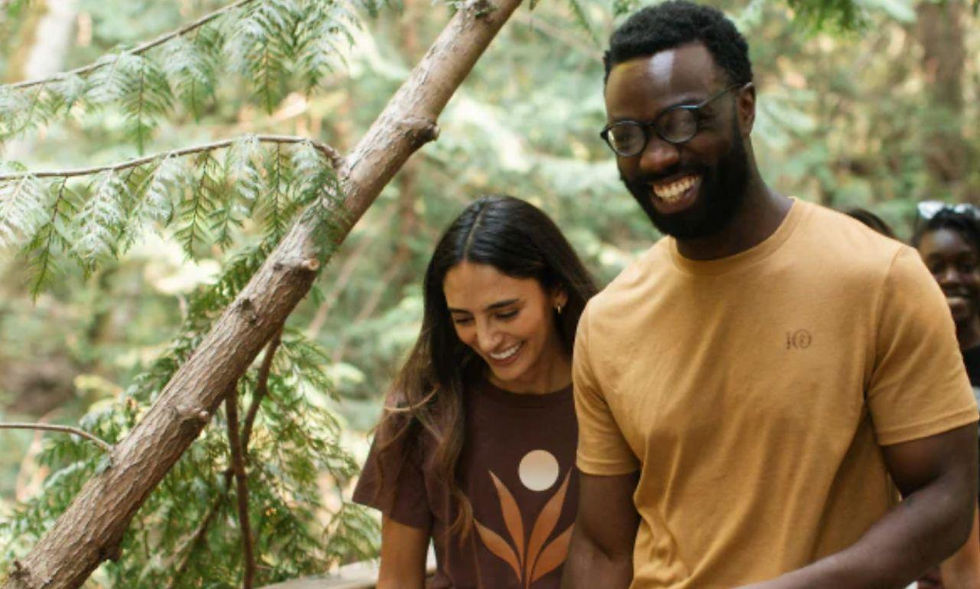
tentree combines fashion with environmental restoration. The company plants ten trees for every product sold and uses:
Organic cotton
Hemp
Recycled polyester
TENCEL™ fibers
The brand also emphasizes ethical manufacturing and responsible packaging.
Lessons from tentree
Sustainability can include ecosystem restoration.
Consumers respond positively to measurable environmental action.
Transparency strengthens brand credibility.
Pact

Pact focuses on affordable organic basics produced in Fair Trade-certified factories. The company promotes:
Organic cotton
Carbon-conscious shipping
Ethical labor practices
Minimal packaging
Pact demonstrates that sustainable fashion can also be accessible and practical for everyday consumers.
Lessons from Pact
Sustainable clothing does not need to be luxury priced.
Everyday basics can still support ethical production.
Accessibility matters in sustainability movements.
Solutions to Encourage Mindful Fashion Consumption
1. Buy Less, Choose Better
Consumers can reduce waste by investing in fewer, higher-quality pieces that last longer.
2. Support Ethical and Transparent Brands
Shoppers should look for brands that:
Share supply chain information
Use certified sustainable materials
Offer repair or recycling programs
Practice fair labor standards
3. Embrace Circular Fashion
Circular fashion includes:
Repairing clothes
Reselling garments
Renting clothing
Recycling textiles
Buying secondhand items
Many sustainable brands now offer take-back and resale programs.
4. Learn to Identify Greenwashing
Consumers should be cautious of vague marketing claims such as:
“Eco-friendly”
“Green collection”
“Conscious line”
without evidence or transparency.
Online sustainability discussions frequently warn consumers about greenwashing and encourage them to check certifications and published sustainability reports.
5. Educate Consumers and Students
Schools and communities can teach:
Responsible shopping habits
Environmental literacy
Clothing care and repair skills
Sustainable lifestyle choices
Key Lessons the Fashion Industry Can Learn
Sustainability Requires Long-Term Commitment
The most respected mindful fashion brands integrate sustainability into their entire business model rather than treating it as a marketing campaign.
Transparency Builds Trust
Consumers increasingly value brands that openly share sourcing, manufacturing, and environmental impact data.
Durability Matters More Than Trends
Timeless, durable clothing reduces overconsumption and waste.
Circular Systems Are Essential
Repair, resale, and recycling programs help reduce landfill waste and extend garment life.
Consumers Have Power
Every purchase acts as support for a company’s values and practices. Mindful consumers can push the fashion industry toward more ethical and sustainable systems.
Conclusion
Mindful consumption in fashion is more than a trend — it is a necessary response to the environmental and social challenges created by fast fashion. Brands like Patagonia, Eileen Fisher, Stella McCartney, tentree, and Pact show that businesses can succeed while prioritizing sustainability, ethical production, and environmental responsibility.
Their practices demonstrate that the future of fashion does not need to rely on endless consumption and waste. Instead, the industry can move toward a model centered on quality, transparency, circularity, and conscious consumer choices.
As consumers become more aware of the impact of their purchasing decisions, mindful fashion consumption has the potential to reshape not only wardrobes but also the future of the planet.
Related Articles:
References
FashionABC – Top Sustainable Fashion Brands
Used for insights on leading global sustainable and ethical fashion brands practicing mindful consumption.
Aura Names – Eco-Friendly Fashion Brands You Should Know
Referenced for information about Patagonia and environmentally responsible fashion practices.
Top10Sense – Sustainable Fashion Brands Leading Eco-Friendly Style
Source for circular fashion initiatives and sustainable design examples.
Wiser – Leading Sustainable Fashion Brands
Referenced for sustainability initiatives including eco-materials, ethical production, and environmental restoration programs.
Fizzy Magazine – Eco-Friendly Fashion Brands
Used for examples of affordable sustainable clothing brands and conscious fashion practices.
InStyle – Conscious Shopping Fashion Brands
Referenced for information on textile waste, circular fashion, and conscious consumer behavior.
Vogue – Sustainability Discussion with Stella McCartney
Source for insights into sustainable luxury fashion and consumer influence on the fashion industry.
Reddit Ethical Fashion Discussions
Community discussions referenced for consumer attitudes toward sustainability, circular fashion, and greenwashing concerns.
Business Today Malaysia – Global Sustainable Fashion Brands
Referenced for innovations in sustainable luxury fashion and eco-friendly materials.


Comments